Position Matters

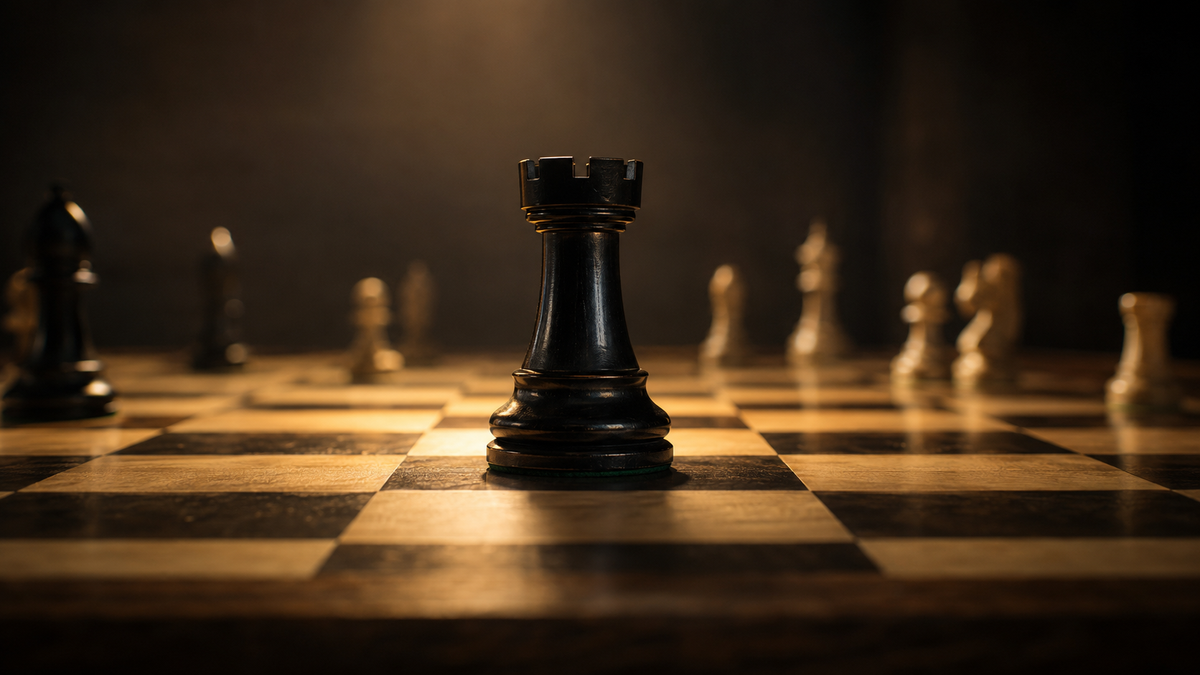
I’ve always been fascinated by chess.
Every piece has value and purpose. But here’s something I’ve learned that has very little to do with the game itself. Sometimes the problem isn’t the piece, sometimes it’s the position.
Over the past several months, I’ve watched a lot of change happen around me, and change has a way of making people question themselves. You start wondering if you’re still good enough, if your work still matters, and if all the years you’ve invested still carry the same weight they once did. For a brief moment, I found myself asking those questions, too.
Then I realized something. I wasn’t questioning my ability. I was questioning my position.
If you’ve ever played chess, the piece I’ve always identified with is the rook. It isn’t flashy, but it’s one of the strongest pieces on the board. It moves with purpose, protects what matters, and becomes even more valuable as the board opens up. But if it’s trapped behind other pieces or sitting on the wrong square, its power isn’t always obvious. That doesn’t make the rook less valuable. It simply means it’s time to move.
That’s exactly where I found myself.
So I decided to transition. Not because I had less to offer, but because I realized my gifts deserved to be positioned where they could make their greatest impact. Sometimes changing your position changes everything.
I’m simply doing it from a different square on the board because sometimes the right position reveals the value that was there all along.

